
What tenants should check before renting an apartment in Dubai
Renting an apartment in Dubai is an exciting step, whether you are relocating for work, upgrading your lifestyle, or moving...
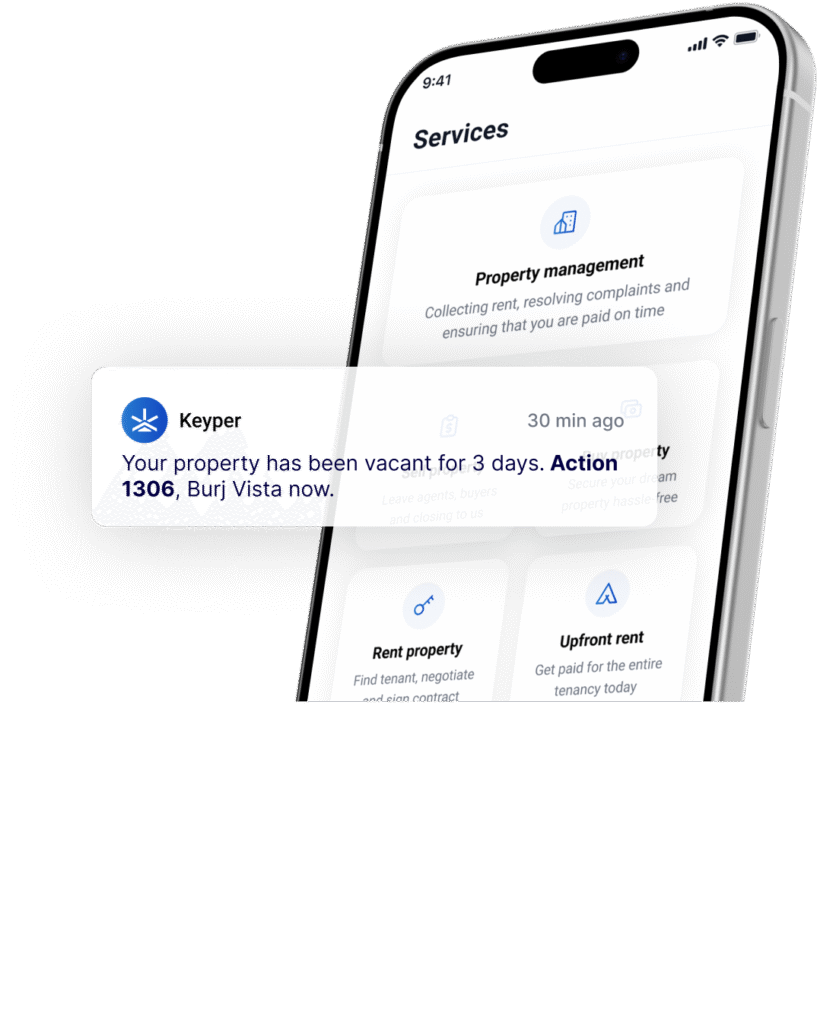
Renting an apartment in Dubai is an exciting step, whether you are relocating for work, upgrading your lifestyle, or moving into the city for the first time. The market is dynamic, full of options that range from waterfront havens to budget-friendly suburban communities. Yet this variety also means tenants must approach the process with clarity and caution. Before signing any tenancy agreement, it is essential to understand the factors that can significantly impact your comfort, finances, and long-term satisfaction. As you begin your search, take time to Explore Our Services to gain a clearer sense of what professional guidance can do for your rental journey.
Understanding the Neighborhood and Community
The first thing any tenant should check is the overall feel and functionality of the neighborhood. Dubai’s communities vary widely in pace, atmosphere, and convenience. Some areas thrive with nightlife, high-end dining, and luxury retail, while others offer quieter, family-friendly settings with parks and schools. Spend time walking around the neighborhood at different hours to gauge noise levels, traffic conditions, and general ambiance. A location may appear perfect on paper, but only a personal visit will reveal whether it truly aligns with your daily routine and lifestyle expectations.
Proximity to essential amenities also plays a key role. Tenants often overlook small details, such as the walking distance to supermarkets or the reliability of public transportation. Dubai’s infrastructure is excellent, but each neighborhood has its own rhythm. If you rely on the metro, check how far the station is and whether the route is practical during peak hours. These small considerations make a significant difference in long-term comfort, especially for those commuting daily.
Inspecting the Apartment Condition
Next, tenants must thoroughly inspect the apartment itself. Dubai’s rental properties can vary in age and maintenance quality. Some buildings are brand-new with top-tier facilities, while others may show signs of wear. Pay attention to walls, ceilings, flooring, and the condition of built-in appliances. Look closely at plumbing fixtures, electrical outlets, and air-conditioning units. Since AC is essential to comfortable living in Dubai, ensure it functions properly and ask the landlord when it was last serviced.
It is also wise to check for any signs of pest issues, water leakage, or mold—common concerns in older buildings or properties with irregular maintenance. Document everything with photos or videos during the viewing. A well-maintained apartment signals a responsible landlord or property management team, which can greatly influence your future living experience. Clarify whether any repairs will be completed before move-in and ensure such agreements are included in writing within the tenancy contract.
Reviewing Building Facilities and Management
Dubai’s apartment buildings often come with an impressive list of amenities, including gyms, pools, concierge services, and children’s play areas. However, the quality and accessibility of these facilities vary. While touring the building, take time to inspect common areas. A well-kept lobby, clean hallways, and a functioning security system show that the building management takes its responsibilities seriously. Poorly maintained common spaces, on the other hand, may signal ongoing issues that could cause frustration later.
Speak with current residents whenever possible. They can offer valuable insight into building noise levels, elevator reliability, and management responsiveness. A property may appear luxurious at first glance, but everyday experiences shared by tenants will reveal whether the building truly meets expectations. The presence of professional property management also matters, as timely maintenance and clear communication help ensure a stress-free rental experience.
Understanding the Tenancy Contract and Legal Requirements
Dubai’s rental laws are designed to protect both tenants and landlords, but tenants must fully understand their obligations before signing a lease. Review the tenancy contract carefully, paying close attention to clauses on rent payments, maintenance responsibilities, renewal terms, and deposit conditions. Ensure the rent amount and payment schedule are clearly stated, and confirm whether utility bills are included or separate. If you are unfamiliar with contract terminology, do not hesitate to request clarification. It is better to ask questions now than face unexpected disputes later.
You should also confirm that the property is registered with Ejari, Dubai’s official tenancy registration system. This registration is mandatory and offers legal protection throughout your lease. Ejari ensures transparency between tenants and landlords by documenting rental agreements in a unified database. A landlord who is hesitant or slow to register the tenancy should raise concerns. Proper documentation is essential to avoid complications when renewing contracts, handling disputes, or moving out.
Evaluating Costs Beyond Rent
Many tenants focus solely on the monthly rent amount, but the real cost of living in Dubai includes additional expenses. Service charges, DEWA bills, chiller fees, and Internet packages all contribute to the overall cost. Some buildings include chiller fees at no extra cost, while others charge separately—this can significantly affect your monthly budget. Always ask for a clear breakdown of estimated expenses and check whether the building has fixed charges or fluctuating amounts based on usage.
Parking is another factor that tenants sometimes forget to verify. Some apartments include one parking space, while others charge extra. In busy districts or waterfront communities, parking availability is particularly important. Understanding every cost involved helps you plan accurately, ensuring the apartment fits comfortably within your financial expectations. Only then can you make a well-balanced decision that supports both comfort and stability.
Considering Future Flexibility and Upgrades
Dubai is a fast-moving city, and tenants’ needs may change over time. Therefore, consider how flexible the landlord is regarding upgrades, renewals, or early termination. Some landlords allow minor modifications, such as painting walls or installing shelves, while others maintain stricter rules. If you anticipate staying longer than one year, inquire about renewal procedures and potential rent increases. Dubai’s rental index regulates annual hikes, but it is useful to understand the landlord’s general approach.
Those considering premium options, including waterfront living or high-floor residences, should also explore how building features may evolve over time. For example, tenants interested in Dubai Marina Penthouses for Rent Real Keyper often seek long-term luxury living with uninterrupted views, so understanding future development plans nearby is essential. Construction projects could affect noise levels or views, potentially reducing the value of an otherwise ideal home.
Final Thoughts
Finding the right apartment in Dubai requires patience, research, and attention to detail. With a wide range of communities and property types, tenants must approach the process with a clear sense of what matters most—whether it is proximity to work, access to amenities, or a tranquil neighborhood environment. Thorough inspections, careful contract review, and realistic budgeting all contribute to a smooth and satisfying rental experience.