
Troubleshooting Common Conference Room Audio Issues: A Practical Guide
In moment’s presto- paced business terrain, flawless communication is pivotal. Conference apartments have evolved into technology- driven spaces designed to ...
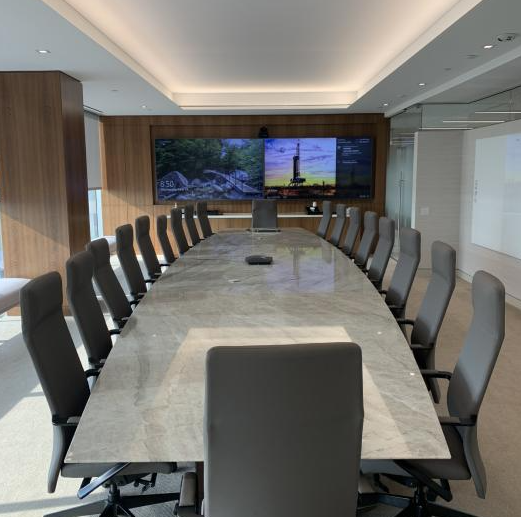
In moment’s presto- paced business terrain, flawless communication is pivotal. Conference apartments have evolved into technology- driven spaces designed to grease clear, effective meetings. still, indeed the most sophisticated setups can encounter issues, particularly with conference room audio. Whether it’s an important customer call or an internal platoon meeting, poor audio can disrupt communication and reduce productivity. This practical companion will explore common audio problems in conference apartments and give practicable results to insure your meetings run easily.
Understanding the Basics of Conference Room Audio
Before diving into troubleshooting, it’s essential to understand the crucial factors of a conference room audio system. generally, these systems include microphones, speakers, amplifiers, audio processors, and in some cases, audio networking results like AV over IP. Each element plays a critical part in capturing, processing, and delivering sound. A malfunction in any part of the system can affect in unclear audio, echoes, or total audio failure.
ultramodern setups frequently work AV over IP, which allows audio and video signals to be transmitted over standard network structure. This approach offers scalability and inflexibility but introduces implicit network- related issues that can affect audio quality if not duly managed.
Common Conference Room Audio Issues and results
1. Audio Cutting In and Out
One of the most frustrating problems is audio that intermittently drops or cuts out during a meeting. This can do due to loose connections, defective lines, or hindrance from other bias.
Result
check all lines, connectors, and anchorages for damage or tautness.
Replace worn or low- quality lines with shielded options to reduce hindrance.
still, insure they operate on different frequentness to avoid conflicts, If using wireless microphones.
2. Echo and Feedback
Echo occurs when audio from speakers is picked up by microphones andre-amplified, creating a circle. Feedback, a high-pitched squealing sound, is a more extreme interpretation of this issue. Both can be disruptive and make exchanges ungraspable.
Result
Position microphones and speakers strategically to minimize direct sound circles.
Lower the speaker volume if feedback occurs.
use echo- cancellation features available in utmost ultramodern conference room audio processors.
In AV over IP setups, insure that audio routing is rightly configured to help signal looping.
3. Poor Audio Clarity
Muffled or unclear audio is another common problem. It can affect from poor microphone quality, incorrect placement, or low- quality speaker systems. Environmental factors, like room acoustics and background noise, also play a part.
Result
Upgrade to high- quality microphones and speakers designed for conference room surroundings.
Use directional microphones to capture only the voices of actors while reducing background noise.
apply aural treatments similar as sound- absorbing panels to minimize echoes and reverberation.
Regularly test and acclimate audio situations for optimal clarity.
4. Inconsistent Volume situations
In numerous conference apartments, some actors may sound louder than others, creating an uneven audio experience. This inconsistency is frequently caused by homemade volume adaptations, multiple input sources, or indecorous audio estimation.
Result
Calibrate audio outfit using erected- in bus- leveling features.
insure harmonious microphone placement relative to actors.
Regularly maintain and test audio systems to help gradational imbalances over time.
5. Delayed Audio in AV over IP Systems
With AV over IP systems, audio may witness slight detainments if network bandwidth is inadequate or if packets are dropped during transmission. This can lead to lip- sync issues and make conversations feel disconnected.
result
Use high- quality network switches and prioritize audio business through Quality of Service( QoS) settings.
Reduce network traffic by separating AV business from general data business.
Optimize garbling settings to balance audio quality and quiescence.
6. Audio Not Detected
occasionally, a conference room audio system may fail to descry microphones or speakers, leaving actors without sound. This is generally due to connection issues, impaired bias, or software misconfigurations.
Result
Check that all bias are powered on and duly connected.
insure that audio input and affair settings on connected bias, like computers or control panels, are rightly configured.
renew the system or update firmware to resolve implicit software- related problems.
7. Wireless Interference
Wireless conference room audio bias, similar as microphones and headsets, can suffer from hindrance caused by Wi- Fi routers, Bluetooth bias, or near electronics. hindrance can affect in static, dropouts, or distorted audio.
Result
Use bias operating on different frequence bands or channels.
Keep wireless bias down from other electronic outfit.
In surroundings with heavy wireless business, consider switching to wired connections for critical audio paths.
Preventative Measures for Conference Room Audio
While troubleshooting is important, precluding issues before they do is indeed more effective. Consider the ensuing practices
Routine conservation Regularly check lines, microphones, speakers, and other factors. Replace damaged or growing outfit instantly.
Professional Estimation Schedule periodic audio estimation to insure optimal performance.
Network Optimization For AV over IP systems, insure your network structure is robust and duly configured.
stoner Training Educate meeting actors on microphone operation, proper speaking distance, and avoiding accidental muting or volume adaptations.
Environment Management Reduce background noise, control room acoustics, and avoid reflective shells that may beget echo.
Conclusion
A well- performing conference room audio system is essential for productive meetings and effective communication. By understanding the common issues — from echo and poor clarity to network detainments in AV over IP setups you can troubleshoot and maintain your audio systems efficiently. enforcing preventative measures ensures that your conference room constantly delivers clear, dependable sound, allowing your platoon to concentrate on what truly matters collaboration and decision- timber. With careful planning, regular conservation, and a visionary approach, audio challenges can come a thing of the history, transubstantiating your conference room into a mecca of flawless communication.