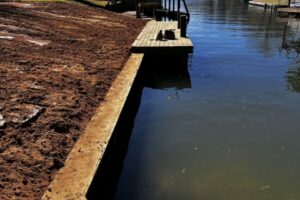
How to Choose the Right Bulkhead Contractor for Your Property
Picking a solid Bulkhead contractor matters more than most realize – especially if you own water-adjacent land. Waves never stop...
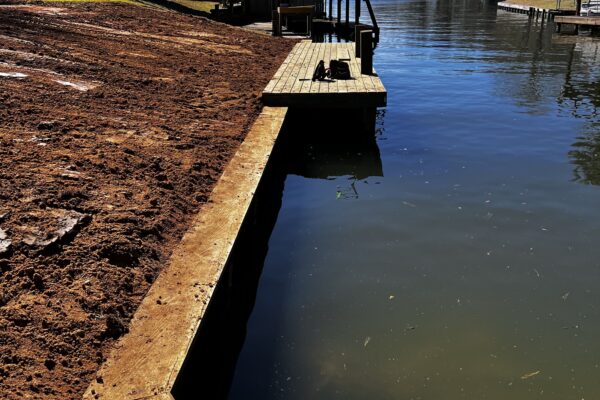
Picking a solid Bulkhead contractor matters more than most realize – especially if you own water-adjacent land. Waves never stop hitting, dirt moves around, storms come through each year, so the edge of your yard takes constant abuse. Skip strong defenses? That ground might slowly wash away, putting people at risk plus dragging down what your place is worth. Go with someone skilled and they’ll use proven marine-building methods to set up tough, lasting barriers that hold firm over time – not only protecting cash but keeping the view looking clean and natural.
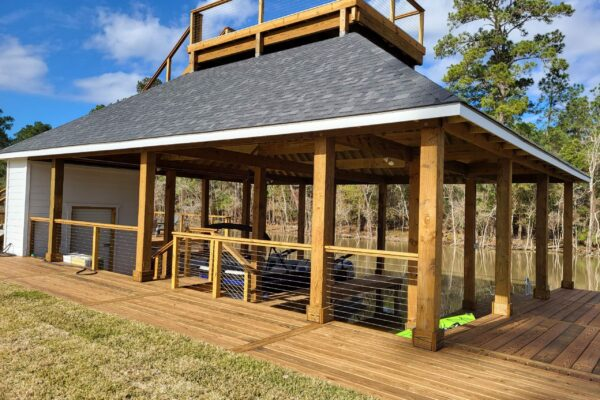
Understanding the Role of a Bulkhead in Shoreline Protection
A bulkhead blocks water from reaching your land. Yet it stops dirt from washing away while holding the ground steady when storms hit. If put in right, it saves your yard, gives you usable space outside, also protects the edge of your water area from shrinking slowly. Its strength mostly relies on how skilled the builder is – so pick someone who gets nature’s impact, support needs, plus how to make it last.
Evaluating the Contractor’s Experience and Training
Working by the water takes know-how. Building walls along shorelines isn’t like regular jobs – it needs understanding of tides, dirt kinds, how high water gets, plus engineering basics. People who’ve done this awhile have seen many coast setups up close. Knowing how to hold back earth and water means grasping tricky designs shaped by local factors. Those with more time on site tend to spot problems early, suggest fixes that work, also finish without wasting effort.
Assessing Knowledge of Local Regulations and Permits
Building near water follows strict rules to keep nature safe and structures sound. Before fixing or installing a seawall, homeowners need to follow city, county, maybe even national laws. Rules can control how things are built, what materials get used, where walls go, and effects on wildlife. Someone who knows the field will understand permits and help meet all legal needs. Hiring an experienced person helps avoid delays, cuts mistakes that cost money, keeps everything running smooth.
Choosing the Best Materials for Longevity
Bulkheads might use vinyl, or wood, or concrete, maybe even steel. Picking one comes down to the local climate, how much cash is available, and how long it should last. A solid builder guides you through which fits your waterfront best. Water behavior, ground strength, storms, upkeep – these are weighed carefully before any suggestion. They get that picking certain materials affects how long things last – some need way less upkeep while shielding better over time. Choosing wisely here means your bulkhead holds up much longer in real-world conditions.
Examining the Contractor’s Construction Techniques
A bulkhead’s power isn’t just in what it’s made of – how it’s put together matters too. A skilled worker gets the positioning right, uses solid anchors, keeps gaps consistent, then packs the soil tightly behind it. Skipping any part might lead to bending, erosion damage, or collapse. Doing things the smart way means knowing how forces act and how nature affects structures. Look at how the contractor handles groundwork, sets up support structures, yet deals with shoreline protection. Good methods mean your bulkhead lasts many years.
Considering the Importance of Site Evaluation
No two lakefront spots are alike. Waves, ground type, gusts, or roads close by shape how seawalls get built. A solid builder checks everything on location first. That look helps spot wear zones, soft patches, plus special outdoor factors. Careful inspection means the end plan fits your edge just right – offering better defense than one-size-fits-all ideas ever could.
Asking About Maintenance and Long-Term Support
Bulkheads need routine checks plus upkeep to keep working right. With time, constant water push or weather changes might lead to small problems needing fixes. A reliable pro can advise on lasting care – like how frequently inspections help, or what damage clues to spot. Some pros even handle ongoing service so your build stays solid down the road. When a builder focuses on continued backup, it shows they stand by their craft and value your home’s safety.
Reviewing Past Projects and Client Feedback
Looking at past jobs gives a clear idea how trustworthy a builder really is. Good builds show solid skills, careful finishing, tighter execution. What customers say tells a lot about how organized they are, how quick they reply, handle hiccups. Past reviews, real names to check, project write-ups give proof if promises match outcomes. Builders who keep clients happy tend to install bulkheads that run smooth, hold up years.
Understanding Cost Without Compromising Quality
Pricing matters a lot – yet it shouldn’t be your sole focus. Sure, low rates grab attention; however, rock-bottom bids might mean corners cut, cheap supplies, or shaky skills. Instead of just chasing price, aim for worth. Trustworthy pros give clear costs that match solid materials, proper safety steps, and stuff built to last. Putting money into good labor now avoids expensive fixes later. Picking solid materials instead of bargain ones keeps your shore safe when storms hit.
Determining Whether They Offer Custom Solutions
Each beach faces different problems – so cookie-cutter fixes usually fail. The best builder gets that every project must fit its spot. Instead of guessing, they shape your seawall around the land’s slope, how waves move, plus what threats might show up years down the line. When it’s built this way, it works better and looks natural. Someone who actually hears you, explains things straight, also tweaks plans to match what matters to you – that’s how you end up with something strong, useful, and nice to look at.
Ensuring Clear Communication and Professionalism
Good chat keeps a project on track. A solid contractor shares info freely, gives progress news, walks you through each build phase – while listening to your worries every step. Showing up on time matters, so does careful prep, realistic deadlines – not to mention treating people right. When talk flows well, mix-ups fade, dates get hit, what you want actually happens. Straightforward, upfront updates grow confidence – and make room for a hassle-free job that works out.
Conclusion
Picking the right bulkhead builder means taking your time, looking into options, but also checking their track record. A solid bulkhead helps protect your water-facing land over the long haul – simple as that. Work with someone who gets how shorelines behave, keeps up with local rules, yet builds using tough materials and methods that actually work. That way, your place stays secure, holds its ground, while still looking good year after year – so you can relax knowing everything’s covered.
Frequently Asked Questions
What things matter when picking a bulkhead builder?
You’ll want someone who’s been around the block, knows the area’s rules inside out, has solid past projects, gets materials, yet offers backup down the line. All these bits make sure your seawall stands tough over time.
Building a bulkhead – how much time does that usually need?
The timeline hinges on how big the job is, what materials are used, the weather, also local permit rules. Some jobs wrap up in just a couple days, while others stretch into weeks.
What stuff shows up most in bulkheads?
Trees, plastic stuff, hard stone, or metal – folks pick these often. Picking what’s right? It hangs on weather there, how much work you wanna do, plus cash in pocket.
Need to keep up with bulkhead care?
Yep. Routine checks plus small tweaks stop big issues, keep the structure solid, or boost how long the bulkhead lasts.
Fixing a broken bulkhead – worth trying or better swap it out?
Small issues might get fixed easily; however, bad wear or broken parts usually means swapping it out entirely. Get an expert check to know what’s really needed.