How Restorative Dentistry Helps Repair Damaged Teeth and Improve Everyday Function
When teeth get damaged, chipped, cracked, decayed or weak, routine activities like eating or speaking could quickly become difficult and...
When teeth get damaged, chipped, cracked, decayed or weak, routine activities like eating or speaking could quickly become difficult and uncomfortable tasks. Restorative dentistry plays an essential part in restoring the quality, appearance, and function of teeth that have been damaged. It helps patients recover confidence and keep the long-term health of their mouths. No matter if the issue is a minor flaw in enamel, or the tooth is severely decayed and requires Root Canal Treatment, today’s dental restorative treatments have been designed to protect the natural tooth and create an improved smile.
In this article we will discuss the process of restorative dentistry as well as the reasons it’s crucial for good oral health, as well as how a Family Dentist can make sure the patients get individualized and relaxed care at each step.

Understanding Restorative Dentistry
The restorative dental procedure combines the most advanced methods for repairing or replacing teeth that have been broken, decayed or are missing. The treatments are focused on:
- Natural tooth structure can be preserved
- Restoring the proper alignment of your bite and chewing function
- Improved aesthetics and durability while still retaining its beauty
- In order to prevent future complications, like teeth loss and infections
From basic fillings to more complex treatments for rehabilitation, restorative dental is designed to assist patients in returning to an active and pain-free life.
Why Repairing Damaged Teeth Is Essential
A lot of people overlook little chips or minor pain. However, even minor issues can become serious issues if they are not addressed. Dental damage can impact the oral health in many ways.
1. Increased Risk of Infection
Cracks, deep cavity and wear-down enamel exposes the structure of the teeth. If bacteria get into the pulp and cause inflammation, it can lead to or abscesses. They can also cause severe discomfort, sometimes requiring Root Canal Treatment to save the tooth.
2. Difficulty Chewing and Eating
The damage to a tooth can impact jaw alignment. This can cause discomfort while chewing as well as sensitiveness to cold and hot food items. In time, you might start to notice that you are more inclined towards either or the other side of your mouth which can cause jaw strain.
3. Higher Chances of Tooth Loss
If the damage is not treated this can weaken the tooth and could lead to tooth fractures or even extractions. Treatments for restorative issues help strengthen the tooth, so that the patient isn’t prone to losing it early.
4. Impact on Appearance and Confidence
Wear, cracked, or stained teeth may create a feeling of self-consciousness for people. The restorative dental procedure not only improves your oral health, it can also boost the appearance of your smile.
Common Restorative Treatments That Improve Everyday Function
Dentistry that is restorative includes a broad array of techniques, each developed for specific types of damages. These are the most efficient treatments that are used to restore strength, function and ease of use.
1. Dental Fillings
Fillings help to repair dental teeth damaged by cavities. Dental-colored composite fillings blend with natural enamel and preserve beauty while also preventing the spread of decay.
2. Crowns
Dental crowns function as an outer shell of protection that covers the visible part of the tooth that has been damaged. The use of crowns is recommended for
- Large cavities
- Broken or weak teeth
- Function restored following Root Canal Treatment
Crowns can also improve chewing power and stop any further deterioration.
3. Root Canal Treatment
If tooth decay or injury gets to the pulp, saving the tooth becomes a priority. Root Canal Treatment removes infected tissues, cleanses the inner of the tooth and protects the structure of the tooth. This treatment helps
- Remove the pain
- To prevent further infections
- Make sure the tooth is strengthened by putting on an after-care crown
The latest techniques have made this procedure easier and more effective than ever before, which allows patients to return to their normal routines in a short time.
4. Dental Bridges
Bridges replace the missing tooth or teeth by securing artificial ones with healthy teeth nearby. Bridges improve chewing as well as stop adjacent teeth from moving.
5. Dental Implants
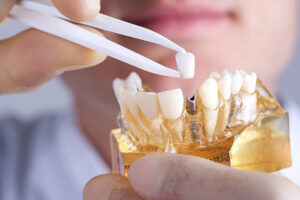
Implants are the strongest option for replacing missing teeth. Implants function like artificial roots and are topped off with natural-looking crowns. Implants aid in maintaining the strength of jawbones and restore full functionality.
6. Dentures
Full or partial dentures offer an affordable, efficient option for those who are missing multiple teeth. Modern dental dentures offer more comfort and are realistic which makes it easier to speak and eating.
7. Inlays and Onlays
Custom-made restorations are utilized for cavities that are large enough to fill, but not abrasive enough to warrant a crown. They help to strengthen the chewing surface and help protect your tooth over the long term.
How Restorative Dentistry Improves Everyday Life
Dental procedures extend far beyond the aesthetics. They impact daily security, comfort, and oral health. Here’s how:
1. Improved Chewing Efficiency
When their teeth are restored, patients are able to enjoy a greater variety of food items without feeling uncomfortable or sensitivities. Good chewing habits also help improve digestion.
2. Clear Speech
Damaged or missing teeth could create speech issues. Dental restoratives ensure proper articulation as well as confidence in social interactions.
3. Better Oral Hygiene
The smooth, well-shaped and slender restorations help make flossing and brushing more comfortable, and reduce the chance of gum or decay problems.
4. Enhanced Confidence
A healthy, complete smile can boost self-esteem as well as encourage people to interact with confidence, smile and talk more easily.
5. Long-Term Oral Health Protection
Dentistry that is restorative helps avoid complications that could need more comprehensive or expensive treatment later on.
The Role of a Family Dentist in Restorative Care
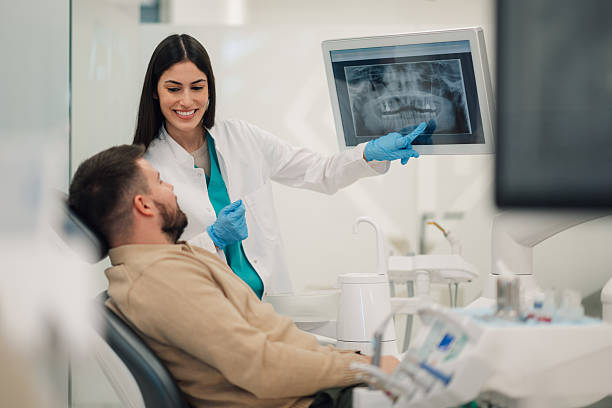
A trustworthy Family Dentist can play an important role in the early detection of dental problems and then recommending the best restorative solution. They provide:
Comprehensive Evaluations
Check-ups regularly help identify dental decay before it gets too grave. A timely intervention helps preserve the natural structure of your teeth.
Personalized Treatment Plans
Every smile is distinct. The Family Dentist will ensure that each patient is treated with a customized method that meets their specific desires and long-term goals.
Comfort-Focused Care
If treating adults, children or elderly patients family members, the Family Dentist will provide gentle, efficient and individualized care for patients in order to alleviate anxiety and guarantee peace of mind.
Continuity of Care
Being with the same dental team throughout time can help maintain long-term dental health. Also, it helps monitor the results of restorative treatment.
When Should You Seek Restorative Dentistry?
If you spot any of the signs below that you are experiencing, it is recommended to make an appointment at the dentist:
- Consistent toothache or sensitivity
- Chips, cracks or visible cracks
- The dark spots on the teeth
- The difficulty of chewing
- Tenderness of gums or swelling
- Teeth that are loose or missing
Getting these issues addressed early will keep your teeth healthy and reduce the necessity for further procedures such as Root Canal Treatment.
Final Thoughts
Dental restorative procedures are essential to treating damaged teeth, eliminating future complications and returning regular comfort and functionality. Modern advancements in dentistry, procedures are more efficient, natural and more comfortable than before. If you require fillings, crowns or other more intricate procedures, working with an established Family Dentist can ensure your smile is robust, healthy, and secure for the decades to be.
If you’ve experienced dental pain, injury or missing teeth this is the moment to get advice. The restorative dentist can help you restore your smile, and also increase the comfort of your daily life.