
How Does 24/7 Healthcare Improve Outcomes Through Remote Patient Monitoring LTC?
24/7 healthcare is decreasingly honored as the foundation of quality support for growing grown-ups and medically vulnerable residents who depend...
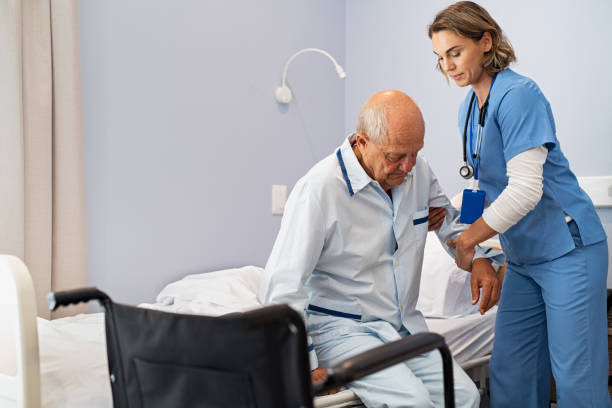
24/7 healthcare is decreasingly honored as the foundation of quality support for growing grown-ups and medically vulnerable residents who depend on nonstop oversight. The ultramodern long-term care terrain has evolved beyond traditional check- in routines and intermittent vital assessments, and installations now face the responsibility of delivering continued supervision that aligns with clinical stylish practices. As habitual conditions rise and perceptivity situations increase, the need for dependable 24/7 healthcare becomes indeed more critical, especially for residents who bear enhanced surveillance and fast provider response. In this setting, remote patient monitoring ltc plays a pivotal part, allowing brigades to manage health enterprises proactively rather than reactively.
By integrating remote patient monitoring ltc with the essential structure of 24/7 healthcare, associations reduce exigency transfers, catch complications before, and maintain a safer care ecosystem. Providers and caregivers are feeling that the combination of harmonious access and technology- supported visibility creates the most effective safety net. That’s why 24/7 healthcare is getting standard practice, and why remote patient monitoring ltc is cited as one of the most transformative tools in the moment’s elderly care workflow. As prospects grow, long- term care drivers continue to strengthen their functional models to match the nonstop demands of residents who depend on 24/7 healthcare and advanced remote patient monitoring ltc every single day.
How 24/7 Healthcare Transforms Response Times and Early Intervention Capabilities?
One of the most vital strengths of 24/7 healthcare is the significant enhancement in response times when residents witness health changes. Without round- the- timepiece vacuity, subtle warning signs are frequently missed, leading to larger complications that could have been averted. When clinicians and monitoring brigades remain accessible at all hours, immediate assessment becomes possible, reducing the pitfalls associated with detainments. Numerous installations have observed major advancements after enforcing remote patient monitoring ltc alongside 24/7 healthcare staffing models because the combination allows brigades to intermediate as soon as abnormal trends appear.
Through real-time data shadowing, remote patient monitoring ltc delivers early cautions, helping watch providers take action before issues escalate into extremities. These nonstop perceptivity work seamlessly with 24/7 healthcare workflows by giving clinicians the information they need at the moment they need it. Eventually, when residents are supported by a system that merges technology with around- the- timepiece professional readiness, their issues ameliorate dramatically. It’s this community that makes 24/7 healthcare so precious and remote patient monitoring ltc so essential in reducing sanitarium visits, perfecting habitual condition operation, and supporting lesser clinical stability for long- term care populations.
The part of Technology in Expanding 24/7 Healthcare and Remote Patient Monitoring LTC

Technology has become one of the driving forces behind the elaboration of 24/7 healthcare in long- term care installations. For decades, elderly care settings were plagued with staffing limitations, changeable health developments, and difficulty maintaining constant clinical oversight. Moment, remote patient monitoring ltc has bridged numerous of these gaps and created a terrain where nonstop care is not only possible but practical. Biases that track vital data around the timepiece feed into secure clinical dashboards, icing that providers can review residents’ health trends at any time. When technology supports 24/7 healthcare, brigades gain the capability to make informed clinical opinions, minimizing avoidable transfers and gratuitous stress for residents.
The expansion of remote patient monitoring ltc also allows installations to maintain a further visionary approach rather than counting on reactive, symptom-grounded responses. By using dependable monitoring tools, long- term care centers can manage habitual conditions more effectively and anticipate implicit complications before they become acute. In this way, remote patient monitoring ltc strengthens the backbone of 24/7 healthcare by enhancing visibility, delicacy, and precautionary intervention. The integration of these technologies has changed prospects for resident oversight and continues to raise the bar for what constitutes high- quality care within long- term care communities.
Improving Resident Safety Through nonstop 24/7 Healthcare Observation and Remote Patient Monitoring LTC
Safety is one of the most important rudiments of long- term care, and 24/7 healthcare has proven to be essential for maintaining a secure terrain. Residents living with habitual ails, mobility limitations, or cognitive impairments frequently bear harmonious observation to insure their health and well-being. By pairing professed brigades with remote patient monitoring ltc, installations significantly reduce the pitfalls associated with delayed discovery of health changes. Every moment matters when dealing with seniors and medically complex individualities, and remote patient monitoring ltc helps identify indeed small shifts in vital signs, allowing for quick action.
This system works hand-in-hand with 24/7 healthcare protocols, creating a reliable safety net that protects residents at all hours. As further centers borrow these tools, the reduction in avoidable extremities, gratuitous sanitarium transfers, and unanticipated deterioration has come decreasingly clear. Remote patient monitoring ltc not only supports early discovery but also encourages providers to follow harmonious care pathways that keep residents stable for longer ages. These advancements show that combining technology- enabled perceptivity with the constant readiness of 24/7 healthcare brigades dramatically enhances the quality and trustability of resident safety programs within long- term care settings.
Enhancing Quality of Life With harmonious 24/7 Healthcare Support and Remote patient monitoring ltc

While clinical issues are essential, the emotional and cerebral benefits of 24/7 healthcare are inversely important. Residents who know they’re covered continuously frequently feel more secure, more supported, and more confident in their diurnal routines. The assurance that help is available anytime can reduce anxiety and ameliorate overall well- being. This peace of mind is amplified when installations integrate remote patient monitoring ltc, which allows for nonstop shadowing without intruding on residents’ daily lives. Remote patient monitoring ltc adds a redundant subcaste of consolation by icing that any health concern is honored beforehand, indeed if residents do n’t express symptoms.
The convenience and slyness of the technology allow individualities to live more singly within the care setting while still serving from visionary oversight. By incorporating these tools with 24/7 healthcare staffing, long- term care centers produce a terrain where residents can thrive physically, emotionally, and socially. This combination leads to better engagement, bettered mobility, and overall advanced satisfaction as residents feel defended and valued. The growing acceptance of remote patient monitoring ltc in ultramodern care surroundings illustrates the broader shift toward precautionary, relationship-grounded care models supported by constant vacuity and advanced technology.
The Future of Long Term Care with 24/7 Healthcare and Remote Patient Monitoring LTC
The future of long- term care is being shaped by innovative approaches that prioritize forestallment, early discovery, and nonstop support. 24/7 healthcare is at the center of this metamorphosis, icing that residents admit attentive care at all hours, anyhow of changing conditions or unanticipated challenges. As installations continue to borrow remote patient monitoring ltc, the eventuality for a more effective and effective care model becomes indeed clearer. Remote patient monitoring ltc will continue to enhance delicacy, enable prophetic analytics, and give clinicians with comprehensive visibility into resident health patterns.
This progression will elevate care norms across the assiduity, making 24/7 healthcare indeed more essential to diurnal operations. Installations that invest in these tools will be more able of prostrating staffing dearths, reducing exigency transfers, and maintaining harmonious clinical quality. The combination of remote patient monitoring ltc and 24/7 healthcare represents a shift down from outdated reactive models and toward a system erected on visionary, informed intervention. As the long- term care assistance evolves, the cooperation between mortal moxie and advanced monitoring technology will define the coming generation of occupant- centered care.
Conclusion
Healthcare and remote patient monitoring ltc work together to produce a stronger, safer, and more visionary long- term care terrain. These tools enhance resident safety, support brisk interventions, and ameliorate overall issues through nonstop oversight and early discovery. As the demand for high quality long-term care continues to rise, installations that apply both 24/7 healthcare and remote patient monitoring ltc will be stylishly deposited to meet the requirements of their residents. For providers seeking a reliable mate that supports these advanced care models, TapestryHealth offers innovative results designed to strengthen clinical workflows and elevate the standard of care.
FAQ
Q1. What makes 24/7 healthcare so important in long- term care?
Healthcare ensures residents admit nonstop supervision, rapid-fire response during health changes, and harmonious monitoring that prevents complications before they escalate. This round- the- timepiece content is pivotal for medically fragile or aging individuals.
Q2. How does remote patient monitoring ltc support nonstop care?
Remote patient monitoring ltc provides real-time health data that cautions providers to beforehand advising signs. This technology enhances the effectiveness of 24/7 healthcare by enabling brisk interventions and better habitual condition operation.
Q3. Can these tools reduce sanitarium transfers?
Yes. When 24/7 healthcare brigades use remote patient monitoring ltc to describe issues beforehand, gratuitous exigency room visits and avoidable hospitalizations drop significantly.
Q4. Does covering technology affect resident comfort?
Ultramodern systems arenon-intrusive and designed for nonstop use without dismembering diurnal conditioning. Residents witness better safety and peace of mind without feeling defined.
Q5. Is remote patient monitoring LTC suitable for all installation types?
Remote patient monitoring ltc is precious for professed nursing, supported living, memory care, and other long- term care surroundings that profit from visionary oversight and enhanced clinical visibility.