How Colleges With Nursing Programs Blend Academic Rigor With Real Clinical Experience
Choosing a path in nursing isn’t just about picking a major. It’s signing up for a career that’ll put you...
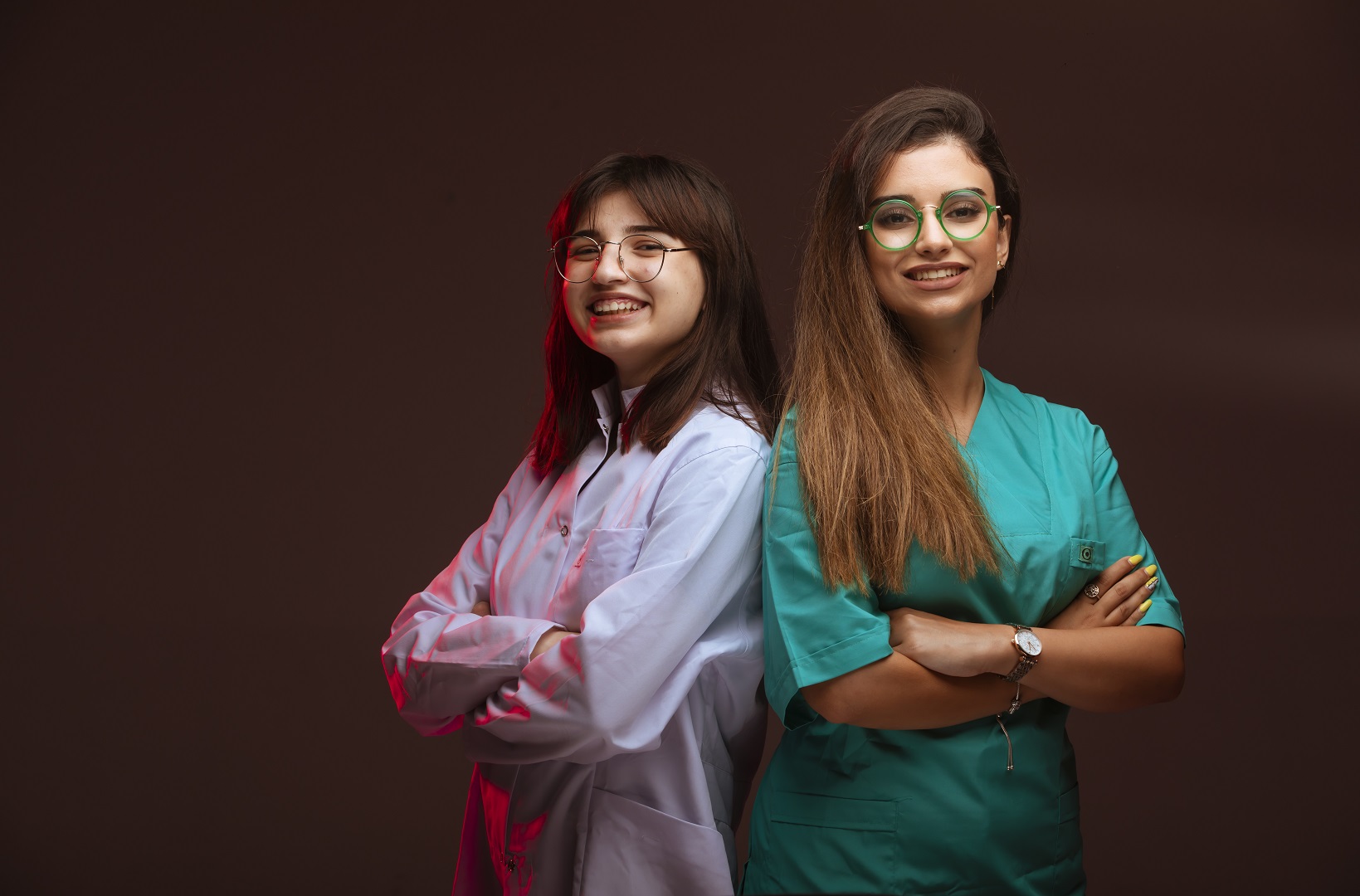
Choosing a path in nursing isn’t just about picking a major. It’s signing up for a career that’ll put you right in the middle of real human messiness—pain, hope, fear, recovery—all of it. So it makes sense that the best nursing education isn’t soft or cushioned. It’s demanding. And honestly, it should be. The challenge for colleges with nursing programs is finding that balance: the tough academic stuff and the hands-on, sleeves-rolled-up clinical work that turns theory into instinct. And that balance matters more than students sometimes expect.
Why the Best Nursing Programs Don’t Treat Classroom and Clinic as Separate Worlds
A lot of new students think nursing school works like this: learn the material first, then go practice it months later. But strong programs don’t split things that cleanly. They weave everything together, sometimes in ways that feel a bit chaotic while you’re in it. It’s intentional, though. Nursing isn’t neat work.
Colleges with nursing programs have to teach anatomy, pharmacology, health assessment, all that complicated science—and do it fast without overwhelming students (well, they’ll still be overwhelmed at times, that’s normal). But at the same time, they know students can’t learn to be a nurse from PowerPoints alone. You need real patients, real floors, real nurses whispering, “Okay, try it this way, not like the textbook.” The schools that get this right are the ones that build bridges between those two worlds, not walls.
Academic Rigour: The Foundation Nobody Can Skip
Let’s be blunt. Nursing school is academically tough because the job is tough. You’re making decisions that affect someone’s life. You can’t wing it.
A curriculum that pushes, even when you don’t feel ready
The coursework might hit like a wall: dosage calculations that seem to multiply when you look away, endless lab values, complex care plans that force you to think five steps ahead. It’s not meant to break students, but it is meant to stretch them. Good programs don’t sugarcoat this part. They want students to understand the “why” behind every assessment, every intervention. If you know the “why,” the actions come faster later.
Professors who expect a lot (and help a little less than you hope)
It’s common to feel like instructors push students right up to the edge. Sometimes they’re not as gentle as you wish. But they’re doing exactly what clinical preceptors will do. And what patients will demand without even knowing it. That’s how rigour shows up—tough love disguised as high expectations.
Real Clinical Experience: Where the Learning Really Sticks
The thing that separates colleges in USA for nursing isn’t the fancy labs or big-name partnerships. It’s how early and how often they send students into the real world.
Clinical rotations that feel intimidating at first
Every student remembers their first hospital shift. The badge feels too shiny, the scrubs too new, the hallways like a maze. But those early experiences burn lessons into your brain that hours of lectures never could. How to talk to a scared patient. How to stay calm when monitors beep a little too fast. How to ask for help without freezing up.
Preceptors who show students what textbooks can’t
A good preceptor might teach more in ten minutes than a class could in a week. They show the shortcuts, the realities, the ways real nursing bends and curves around human complexity. Sometimes they’re blunt, maybe a bit rushed—but that’s part of the job. And students learn to adapt.
Simulation labs are the “safe practice zone”
Before stepping into the real chaos of a hospital unit, students often rehearse in sim labs—full mannequins, staged emergencies, weirdly dramatic practice scenarios. It’s not perfect. Sometimes it feels fake. But it builds confidence and muscle memory before the stakes are real.
How Colleges Blend Both Worlds Without Losing Students in the Middle
The true skill of colleges with nursing programs is blending the academic and clinical sides so students feel challenged but not crushed.
1. They line up courses with clinicals intentionally
Good programs design their schedules so that what students learn in class pops up in clinicals a week later. Like, you learn cardiac assessment on Monday, then hear your first irregular rhythm on Wednesday. That’s when everything “clicks.”
2. They include reflection—yes, the part students roll their eyes at
Journals, post-clinical debriefs, small group discussions… students often avoid them, but these moments glue the learning together. They help connect the dots between what the books said and what actually happened.
3. They build resilience inside the structure
Some days you ace a test and feel unstoppable. Other days, a patient interaction goes sideways, and you feel like you don’t belong here. Strong programs create space where both can exist. Advisors, mentors, open-door instructors—these matter more than students sometimes realise.
Why This Blended Approach Creates Better Nurses
When a college does it right, students graduate with two equally strong muscles: the academic brain and the clinical instinct. One without the other leaves gaps big enough to cause mistakes. Graduates from well-balanced programs tend to:
- Think quickly under pressure
- Understand the deeper “why” behind symptoms
- Communicate better with patients and teams
- Notice small changes others might miss
- Trust themselves when things get messy
They become the kind of nurses you want around when life throws a curveball.
Conclusion: The Best Nursing Education Isn’t Easy—And It Shouldn’t Be
If you’re looking at nursing school and hoping for something calm and predictable… You might want another career. But if you want real preparation for real healthcare work, then you want a school that blends academic rigour with raw clinical experience.
The best colleges with nursing programs challenge students until they grow into something stronger. They put you in classrooms where your brain works overtime and in clinics where your heart does, too. And somewhere in the middle—between the textbooks and the bedside—you turn into a nurse. Not perfectly polished. But ready.