
How Does Washed Concrete Sand Contribute to Stronger Foundations in Hardscape and Masonry Projects?
If you’re looking to construct durable hardscapes, patios pathways, retaining walls or other masonry structures, selecting the best base materials...
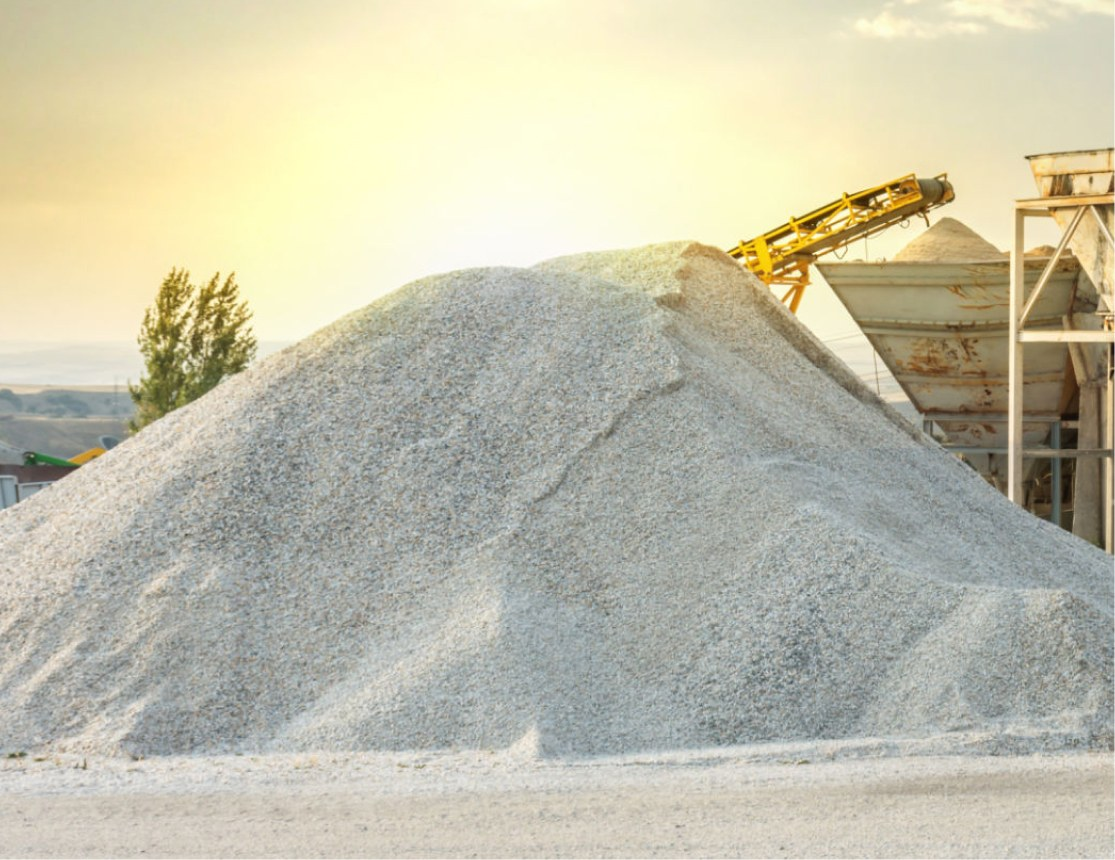
If you’re looking to construct durable hardscapes, patios pathways, retaining walls or other masonry structures, selecting the best base materials is as crucial as the design and construction behind the work. Of all the different aggregates that are available concrete sand has a place as being one of the most versatile and reliable options for building a solid well-constructed, durable, and stable foundation. Its meticulously screened, washed and graded mix can be used in concrete mixes, not just however also for paver construction as well as footings and layering.
Incredibly, the same qualities that make concrete sand suitable for use in structural construction can also be beneficial on sports surfaces like the baseball field sand where compaction, drainage and the performance are important. In construction, however it’s benefits extend far beyond the surface’s functionality.
In this post we’ll look at the definition of concrete sand what it is, how it’s manufactured and the way it can contribute to stronger foundations for various construction projects, including masonry and hardscape.
What Is Concrete Sand?
Concrete sand is a fine washed sand that is made of crushed granite or stone. It is screened in order to eliminate tiny particles, silt clay and other organic matter which leaves a smooth and smooth sand with optimum particle quality. In contrast to masonry sand which is more fine and smoother concrete sand has slightly bigger aggregates that provide better quality of compaction and load bearing capacity.
The most important characteristics are:
- Sizes of the particle are well-graded for stability.
- An angular design to lock and encase
- A composition of water that is sanitized to stop any impurities from weakening or destroying the base
- Great drainage to move moisture and resistance to frost
This is what makes concrete sand essential in foundation-related tasks.
How Concrete Sand Is Made
Production processes ensure consistency and efficiency:
- Crushing: Gravel or stone is crushed mechanically into sand-sized chunks.
- Screening: Materials pass through screens in order to create an even Gradation.
- Washing: Sand gets washed away to eliminate dust, clay as well as organic matter.
- Grading: The final product is classed to be in compliance with ASTM C33 requirements for concrete sand.
The controlled production process ensures regular compaction as well as strength of the structure.
Why Concrete Sand Is Ideal for Stronger Foundations
1. Superior Compaction Capabilities
The foundation that is stable starts by ensuring proper compaction. Sand that is compacted by concrete is due to the fact that its angular granules lock and prevent the foundation from moving under pressure. This is vital to:
- Paver base
- Foundations under slabs
- Road base layers
- Footings for brick and block walls
Once compacted, concrete sand is a hard supporting layer which distributes load equally, which minimizes cracking, settlement or slipping over the course of.
2. Improved Drainage and Moisture Control
Moisture is a most significant threats to any building that is a hardscape or masonry. Insufficient drainage can lead to:
- Frost Heaving
- Erosion beneath pavers
- Cracks in concrete
- The walls of retaining walls move
Concrete’s rough nature causes gaps that allow for the rapid flow of water. The water is kept away from structures and helps prevent building up of pressure hydrostatically. Like a good baseball field sand needs to run out quickly in order to keep the fields usable following rains concrete sand can help keep hardscapes in good shape and last for a long time because it channels water effectively.
3. Reduced Risk of Foundation Failures
Since concrete sand is cleaned and sand is abrasive, it has a small amount of organic material, or silt. In the base, impurities may degrade, weaken with time, or soak up water. This can lead to:
- Uneven settling
- Paver joint failure
- Cracks in mortar or slabs
- Base erosion
The use of concrete sand that has been washed ensures the foundation stays solid, clean and resistant to degradation over time.
4. Excellent Load-Bearing Strength for Heavy Structures
Sand in concrete plays an important function beneath the heavy hardscape elements like:
- Driveways
- Walls that are retaining walls
- Concrete pads
- Outdoor kitchens
- Stairs with heavy stepping stones
Its rough texture assists in spreading the weight equally. The interlocking characteristics of the grains stop lateral movement which makes it perfect for enduring continuous pressure and vehicle traffic.
Concrete Sand in Hardscape Projects: Key Applications
1. Paver Bedding Layer
Concrete sand is the norm for bedding under pavers. It permits:
- Close compaction
- Easy to level
- Secure interlocking to the base of the paver
- Resistance to erosion when under loads
Utilizing finer sand such as brick sand is often a cause of shifts and instability over the long term.
2. Paver Base Layer Ingredient
Numerous companies mix concrete sand crushed rock, or employ it in conjunction with the Class II or Base materials of Class A. Its drainage and compaction characteristics enhance the overall structure of the base.
3. Under-Slab and Footing Use
For walkways, patios, or concrete driveways, sand can help create a consistent solid surface beneath the slab.
4. Mortar and Concrete Mixes
Concrete sand is a crucial component in:
- Standard concrete mixes
- Mortar used for bricks and blocks.
- Stucco mixes
- Applications for Grout
The gradation of the material increases its the strength of the material, decreases shrinkage and enhances the bonding.
Concrete Sand vs Baseball Field Sand: Similarities and Differences
While they are used in different fields they have a number of performance characteristics:
Similarities
- It is essential to drain the water well.
- It is essential to have a consistent grade
- It should be free of silt, clay, and organics
- Do you require predictable compaction and stability?
Differences
| Feature | Concrete Sand | Baseball Field Sand |
| Primary Use | Hardscape and construction foundations | Sports surfaces and infields |
| Particle Size | An angular and coarse | Medium to fine, silkier |
| Composition | Stone crushed | Often natural sand blends |
| Performance | Compaction and structural support | Playability, traction & moisture control |
This comparison demonstrates why concrete sand is the best choice to build foundations for structures, while baseball field sand has been designed for use as play areas.
How Concrete Sand Enhances Long-Term Durability
With its excellent compaction, drainage capacity, load bearing capacity and an impurity-free, sand-free mix, sand provides:
- Foundations are in place and remain level
- Pavers remain locked
- Concrete slabs resist cracking
- Walls remain aligned
- The water is diverted
- The damage caused by freeze-thaw cycles is less
The investment in high-quality concrete sand that is sourced from a reliable supplier of landscape supplies is a simple methods to significantly prolong the life span of any masonry or hardscape installation.
Final Thoughts
The foundation that is solid and sturdy forms the foundation of any success in a masonry or hardscape project. Sand from concrete plays an important part in forming that sturdy durable, long-lasting base. It can be used under pavers, in concrete mixes, or beneath the slabs of structural construction, its cleaned well, angular and graded mixture ensures greater drainage, compaction, as well as durability.
Like the baseball field sand has been engineered for improved athletic performance concrete sand has been engineered to enhance structural strength. The result are clear: less repairs, increased longevity as well as a more durable final product.