
Expert Tips for Selecting the Most Reliable Hydraulic Filters for Your System
Hydraulic systems power a wide range of ministry across diligence — from manufacturing and construction to automotive and heavy outfit...
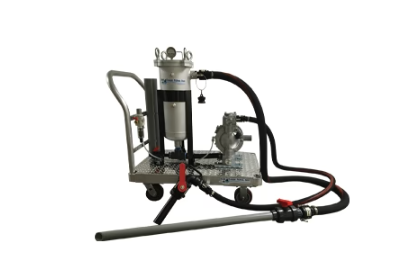
Hydraulic systems power a wide range of ministry across diligence — from manufacturing and construction to automotive and heavy outfit operations. At the heart of every effective system lies one essential element hydraulic pollutants. These pollutants cover outfit by removing pollutants, maintaining fluid chastity, and icing smooth, dependable performance. With the right sludge in place, you can help gratuitous wear and tear, outfit breakdowns, and precious repairs. still, opting the most dependable hydraulic filter requires careful consideration of several crucial factors. This companion breaks down expert tips to help you choose the stylish sludge for your system and enhance your overall effectiveness.
Understand the part of Hydraulic Pollutants
Before opting a sludge, it’s important to understand what hydraulic pollutants actually do. Their core purpose is to remove contaminations and pollutants similar as essence patches, dust, debris, and water — from hydraulic fluids. Without proper filtration, these pollutants can beget scrapes, erosion, reduced lubrication, overheating, and indeed disastrous system failure.
Hydraulic pollutants also help maintain optimal density and insure harmonious pressure situations inside the system. Just as artificial coolant recycling systems maintain clean coolant for machines, hydraulic pollutants perform a analogous job for hydraulic fluid, keeping it clean and extending its usable life. Knowing the vital part pollutants play sets the foundation for opting the right bone.
Tip 1 Determine the pollutants Present in Your System
Not all hydraulic systems face the same pitfalls. The type and quantum of pollutants that enter your system depend on factors like the working terrain, ministry design, and fluid quality. Fine out-of-door surroundings, for case, introduce different pollutants compared to inner manufacturing shops.
launch by relating the primary pollutants affecting your system. Are you dealing with particulate matter similar as essence slices or dirt? Do you face water impurity due to condensation or moisture? Understanding your impurity profile helps you elect a sludge with the applicable media, effectiveness standing, and dirt- holding capacity.
Tip 2 Choose the Correct Filtration Standing
The filtration standing indicates the size of patches the sludge can remove. Micron conditions are generally used for illustration, a 10- micron sludge removes patches 10 microns and larger. still, ultramodern hydraulic pollutants frequently include Beta rates, which indicate effectiveness — advanced Beta rates mean better filtration.
Choosing a sludge with the correct micron standing for your system is pivotal. Going too fine may increase pressure drop and reduce inflow, while choosing a sludge that’s too coarse could allow dangerous pollutants to pass through. Consult your system conditions and consider expert recommendations to find the right balance between performance and life.
Tip 3 Consider the Filter’s Dirt- Holding Capacity
Dirt- holding capacity refers to how important impurity a sludge can hold before getting congested or confining inflow. Pollutants with advanced dirt- holding capacities reduce the frequence of reserves and help maintain harmonious performance.
More advanced outfit requires pollutants that can handle heavy loads of pollutants due to high operating pressures and demanding surroundings. Just like artificial coolant recycling systems are designed to handle large volumes of waste coolant efficiently, your hydraulic sludge must be inversely able of managing the adulterant cargo of your hydraulic fluid. Choosing a sludge with the right capacity helps help time-out and ensures long- term trustability.
Tip 4 estimate comity with Hydraulic Fluid Types
Hydraulic fluids vary extensively some are petroleum- grounded, while others are synthetic, biodegradable, or fire- resistant. Each fluid has unique chemical parcels, and your hydraulic sludge must be compatible with the chosen fluid to avoid chemical responses or declination of sludge media.
When opting a sludge, insure that the accoutrements in the media, seals, and casing are resistant to the chemical makeup of your hydraulic fluid. This comity ensures the sludge maintains structural integrity and delivers reliable performance during operation.
Tip 5 Look at Operating Temperature and Pressure Conditions
Every hydraulic system operates under specific temperature and pressure conditions. Pollutants must be suitable to repel these conditions without failing or losing effectiveness. Incorrect pollutants may crack, collapse, or degrade due to extreme heat or pressure variations.
Review your system’s maximum operating temperature and pressure and elect a sludge designed to meet or exceed these values. High- performance pollutants erected for demanding surroundings insure that your system remains defended, indeed under harsh conditions.
Tip 6 Choose the Right Filter Location
Hydraulic pollutants can be placed in suction lines, pressure lines, return lines, or offline locales. Each placement requires a different type of sludge with specific features.
Suction pollutants help large pollutants from entering the pump but must n’t circumscribe inflow.
Pressure pollutants cover sensitive factors downstream and generally have finer micron conditions.
Return- line pollutants are designed to capture pollutants before fluidre-enters the force.
Offline pollutants offer nonstop filtration independent of system operation.
elect a sludge suited for the intended position to maximize system protection and performance.
Tip 7 Compare Filter Media Types
Sludge media come in colorful accoutrements , including cellulose, synthetic filaments, and essence mesh. Each type offers different situations of effectiveness, continuity, and comity.
Cellulose media are cost-effective but less precise compared to synthetic options.
Synthetic media give advanced performance, better continuity, and stable micron conditions.
Essence mesh media are washable and applicable, ideal for systems that bear frequent conservation or operate under extreme conditions.
Understanding these differences can help you choose a sludge that aligns with your system’s requirements and operating terrain.
Tip 8 Prioritize Quality and Reliability
trustability is essential in hydraulic systems, as a sludge failure can lead to expensive time-out, damaged factors, or reduced productivity. Always choose pollutants from estimable manufacturers that follow strict quality norms.
Look for features similar as corroborated construction, harmonious micron conditions, erosion- resistant jackets, and instruments that demonstrate quality assurance.
Tip 9 Follow Recommended conservation Schedules
Indeed the stylish hydraulic pollutants bear routine conservation. Establish regular examination intervals to check for clogging, fluid declination, or pressure drops. Replace pollutants according to manufacturer recommendations or when signs of wear and tear appear.
Pairing your hydraulic pollutants with probative outfit, similar as artificial coolant recycling systems, can further ameliorate your overall fluid operation strategy by keeping all fluids clean, harmonious, and safely applicable.
opting the right hydraulic pollutants is essential for guarding your ministry, perfecting system effectiveness, and reducing conservation costs. By understanding your system’s requirements, choosing suitable filtration conditions and media, and following proper conservation practices, you can significantly ameliorate outfit trustability and functional performance.