
Patio Gas Bottle Refills| What You Need to Know Before You Go
Whether you enjoy outdoor barbecues, cozy patio heaters, or camping trips, patio gas bottles are essential for keeping your outdoor...
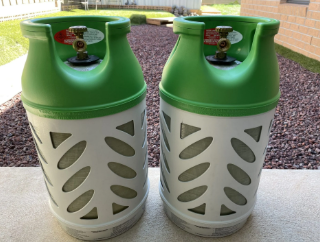
Whether you enjoy outdoor barbecues, cozy patio heaters, or camping trips, patio gas bottles are essential for keeping your outdoor setup running smoothly. At some point, every user faces the moment when the gas runs out—and that’s when you need a patio gas bottle refill. But before you head out to refill your cylinder, there are a few important things you should know to save time, money, and hassle. This guide covers everything from bottle types and safety checks to refill procedures and cost considerations.
What Is Patio Gas?
Patio gas is a type of liquefied petroleum gas (LPG) commonly used for outdoor appliances. It is designed to burn cleanly and efficiently, making it ideal for:
- Gas barbecues
- Patio heaters
- Camping stoves
- Outdoor grills
Most patio gas bottles come in propane, which performs well even in cooler weather and provides strong, consistent heat output.
Types of Patio Gas Bottles
Before getting a refill, it’s important to know the type of gas bottle you have. Patio gas bottles differ in size, valve type, and intended use.
1. Bottle Sizes
Common sizes include:
- 5kg bottles: Ideal for small BBQs or portable heaters
- 10–13kg bottles: Best for large barbecues or standing patio heaters
Larger bottles last longer but are heavier, while smaller bottles are easier to transport and store.
2. Valve Types
Different suppliers use different valve fittings, which means the regulator on your appliance must match the cylinder’s valve. The most common fitting is the clip-on valve, which makes it simple and secure to connect your bottle without tools.
3. Brand and Exchange Policies
Different brands may have their own exchange programs, meaning you can swap your empty bottle for a full one at participating retailers. Some brands don’t refill bottles directly but offer an exchange system instead.
Understanding these differences will help you choose the right refill point and avoid compatibility issues.
When to Refill Your Patio Gas Bottle
Knowing when your gas bottle is nearly empty helps avoid unexpected interruptions during your barbecue or outdoor gathering.
Look for these signs:
1. Weak Flame or Low Heat Output
If your BBQ flames are weaker or your heater isn’t producing enough heat, your gas may be running low.
2. Weight Difference
Full bottles are noticeably heavier. You can quickly compare the weight of your bottle when it was full versus now.
3. Frost Line on the Bottle
Sometimes a faint frost line appears on the side of a partially used bottle, showing the remaining gas level.
4. Built-In Level Indicators
Some bottles come with an indicator or gauge. You can also buy an external gauge to measure gas levels more accurately.
Where to Refill Your Patio Gas Bottle
Patio gas refills are available in several places, depending on your location.
1. Gas Dealers and Suppliers
These are the most reliable options, offering both refills and bottle exchanges.
2. Hardware and Outdoor Stores
Many DIY stores, garden centers, and outdoor supply shops offer patio gas bottle refills.
3. Petrol Stations
Some fuel stations provide LPG refill or exchange services.
4. Authorized Distributors
Certain brands require you to visit their registered distributors for bottle exchange only.
Before heading out, check that the location supports refills for the specific brand and size of your bottle.
How Patio Gas Bottle Refills Work
The refill or exchange process is quick and straightforward, but it varies depending on local rules and gas brands.
1. Exchange System
In many places, refilling the exact same bottle is not allowed. Instead, you exchange your empty bottle for a full one. You pay only for the gas, not the bottle.
2. Direct Refill
Some refill stations allow you to refill your existing bottle directly. Always ensure that the station is certified and follows safety standards.
3. Check Your Bottle Condition
Before a refill, the cylinder must be inspected for:
- Dents
- Rust
- Valve damage
- Leaks
If your bottle is damaged, it might not be accepted for a refill or exchange.
4. Pricing Considerations
Prices vary based on bottle size, gas type, and location. Typically, larger bottles offer better value per kilogram of gas. Refilling is usually cheaper than buying a new bottle.
Safety Tips Before and After a Refill
Safety is crucial when handling gas bottles. Here’s what you need to keep in mind:
Before Refilling:
- Turn off all appliances connected to the bottle.
- Transport the bottle upright and secure it to prevent rolling.
- Ensure the valve is fully closed before loading the bottle into your vehicle.
During Refilling or Exchange:
- Only use authorized refill stations.
- Never attempt to refill a bottle yourself at home.
- Follow the staff instructions strictly.
After Refilling:
- Check the valve and regulator connection for leaks using soapy water.
- Store the bottle in a well-ventilated area, away from heat sources.
- Keep the bottle upright at all times.
Common Mistakes to Avoid When Refilling Patio Gas Bottles
Being aware of frequent mistakes can save you money and improve safety.
1. Mixing Bottle Brands
Some appliances only work with specific regulators, which must match the bottle’s valve type. Always use compatible equipment.
2. Overfilling Attempts
Never attempt to refill a bottle beyond its capacity. Professional stations follow strict guidelines to prevent overfilling.
3. Storing Bottles Indoors
Gas bottles should never be stored inside your home. Keep them outdoors in a cool, shaded, well-ventilated space.
4. Ignoring Expiry Dates
Gas cylinders have inspection dates. Old or expired bottles may not be accepted for refilling.
5. Using Damaged Bottles
If your bottle shows signs of rust, dents, or valve malfunction, ask for a replacement instead of a refill.
Benefits of Regular Patio Gas Bottle Maintenance
Taking care of your gas cylinder extends its lifespan and reduces safety risks.
- Longer durability: Clean, rust-free bottles last longer.
- Better performance: Appliances work more efficiently with a properly maintained gas supply.
- Lower long-term costs: Caring for your cylinder means fewer replacements and repairs.
Conclusion
Refilling a patio gas bottle may seem like a simple task, but understanding the process, safety guidelines, and bottle types can save you from unnecessary frustration. Whether you’re preparing for a family BBQ or setting up a patio heater for a chilly evening, having a properly filled and well-maintained gas bottle ensures smooth, safe operation every time. Always choose an authorized refill or exchange point, check your bottle for damage, and follow handling precautions. With the right knowledge, you’ll be ready for hassle-free refills and more enjoyable outdoor experiences.